
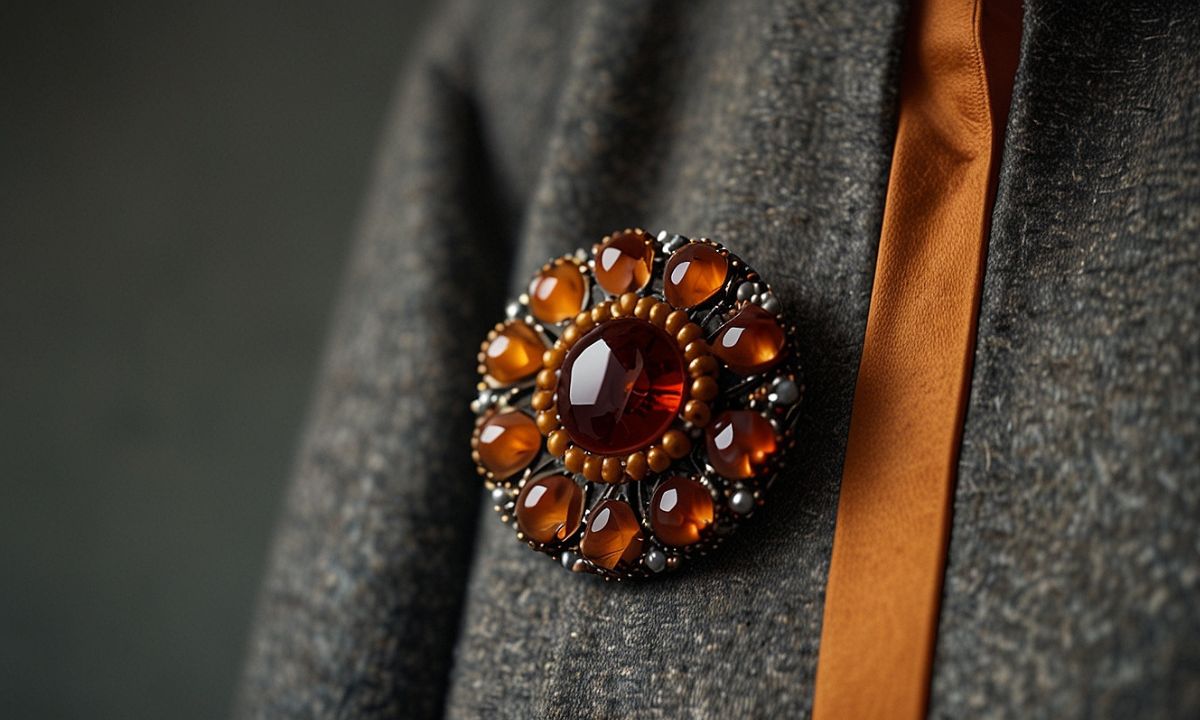
Ever glanced at your go-to wool coat or simple linen dress and felt it needed just one special detail to feel complete? You are not alone. Fashion-conscious Lithuanian women often seek that perfect finishing touch, something that adds personality without overwhelming the look. Enter sagės, the versatile brooches that have been part of Baltic style for centuries. These pieces blend tautinis paveldas (national heritage) with everyday practicality, making them ideal for updating your wardrobe or selecting a meaningful dovana moteriai (gift for a woman).
In this guide, we explore the world of sagės. You will discover their rich history, the variety of designs available, and simple ways to style them. Whether you love gintaras accents or prefer rankų darbas (handmade) details, these accessories offer endless inspiration. Let us show you how one small pin can transform your outfits and celebrate Lithuanian craftsmanship.
The Cultural Roots of Sagės: A Symbol of Tautinis Paveldas
Sagės trace their origins to ancient Baltic traditions, where they served as functional fasteners for shawls, cloaks, and folk costumes. Lithuanian women have worn them for generations to secure garments while expressing cultural identity through intricate motifs. Think sun symbols, geometric patterns, or nature-inspired designs like the tree of life. These elements reflect deep respect for heritage passed down through families and communities.
Today, sagės continue to honor that legacy while adapting to modern life. They remind us of Lithuania’s rich juvelyrika (jewelry) history, where every piece tells a story of resilience and creativity. For many, pinning on a sagė feels like carrying a piece of home, whether you live in Vilnius or abroad. It is more than decoration. It connects you to ancestors who valued beauty in the everyday.
This blend of past and present makes sagės so appealing right now. With growing interest in sustainable and authentic local products, these brooches stand out as thoughtful alternatives to mass-produced accessories. They support artisans who keep traditional techniques alive, from forging silver to shaping gintaras.
Exploring Types of Sagės: Gintaras, Sidabro Gaminiai, and More
The beauty of sagės lies in their diversity. You can find options to suit every taste and budget.
Start with gintarinės sagės, crafted from gintaras (Baltic amber). This warm, golden material catches the light beautifully and carries a soft glow that flatters any skin tone. Many feature natural inclusions or polished surfaces, sometimes combined with silver settings for added elegance. These pieces feel luxurious yet approachable, perfect for those who appreciate natural beauty.
Next come sidabro gaminiai (silver products). Traditional designs use sterling silver with filigree work or engraved folk patterns. Modern versions keep the heritage but simplify the shapes for contemporary wardrobes. A simple silver sagė with geometric lines pairs effortlessly with both casual and formal outfits.
For something tactile and unique, consider veltinio papuošalai (felt jewelry) and pieces with karoliukų siuvinėjimas (bead embroidery). Lithuanian artisans hand-stitch colorful beads or layer soft wool felt into floral, bird, or abstract shapes. Some incorporate patriotic touches, like the Lithuanian tricolor, creating mini works of art you can wear. These rankų darbas (handmade) options feel personal and one-of-a-kind.
Finally, explore autorinės dizainerių sagės from talented lietuvių dizaineriai (Lithuanian designers). Based in Vilnius and beyond, they experiment with mixed materials, minimalist forms, or bold statements. Whether sculptural or delicate, these contemporary takes prove sagės evolve with fashion trends while staying true to their roots.
How to Wear Sagės: Practical Aksesuarų Derinimas Tips
Styling sagės is easier than you might think. The key is placement and balance. Here is how to make them work for your lifestyle.
For classic appeal, try stilingos sagės prie palto (stylish brooches for your coat). Pin one on the lapel of a wool coat or blazer for instant polish. A single gintarinė sagė adds warmth to neutral tones, while a beaded felt piece brings color to a monochrome look. Position it slightly off-center for a modern twist.
Scarves and shawls offer another easy spot. Use a sagė to fasten a lightweight scarf at the neck or shoulder. This not only secures the fabric but also creates a focal point that draws the eye upward, framing your face beautifully.
On dresses or sweaters, place the brooch near the collarbone or at the waist for subtle interest. Imagine a crisp white shirt with a delicate silver sagė pinned at the neckline. It elevates the outfit from basic to intentional without any extra effort.
For bolder statements, layer two or three sagės of varying sizes. Cluster them on a jacket lapel or along a sweater seam. This technique works especially well in fall and winter when outer layers give you more canvas to play with.
Kaip segėti sagės (how to wear brooches) safely matters too. For delicate knits or silks, use a pin-back converter or felt pad behind the brooch to protect fabric. Test the placement in front of a mirror to ensure it feels balanced and comfortable all day.
Sagės as the Perfect Dovana Moterims: Meaningful Gift Ideas
Looking for a heartfelt dovana moteriai? Rankų darbo sagės dovanoms (handmade brooches for gifts) check every box. They feel personal, support local makers, and carry cultural significance that lasts far beyond the occasion.
Choose an amber sagė for a friend who loves natural materials. Its golden hues and reputed calming properties make it a thoughtful token. For family members, a tricolor felt design celebrates shared Lithuanian pride. New mothers or graduates appreciate the versatility, something they can wear immediately and cherish for years.
Pair the gift with a simple note explaining the symbolism. It turns a pretty accessory into a lasting memory. Many women say receiving their first sagė sparked a collection, encouraging them to explore more lietuvių dizaineriai creations.
Discovering and Caring for Your Sagės
Finding quality sagės has never been easier. Shop directly from Lithuanian artisans online for gintarinės sagės internetu. Sites like Amber World LT offer beautiful amber selections, while platforms showcasing local makers feature everything from felt to silver designs. Visiting craft fairs in Vilnius or Kaunas lets you meet creators and see pieces up close.
Caring for sagės is straightforward. Store them in a soft pouch to prevent scratches. For gintaras, wipe gently with a soft cloth. Silver benefits from occasional polishing with a jewelry cloth. Avoid harsh chemicals and remove the brooch before swimming or heavy activity.
With proper care, your sagė becomes a wardrobe staple that improves with age, much like the traditions it represents.
Why Sagės Belong in Every Lithuanian Woman’s Collection
Sagės prove that one small accessory can bridge heritage and modernity. They solve the common problem of plain outfits by adding color, texture, and meaning in seconds. From stilingos sagės prie palto on chilly mornings to elegant evening details, these brooches adapt to your needs.
By choosing rankų darbas pieces, you support lietuvių dizaineriai and keep tautinis paveldas vibrant. Whether you pin on your first gintaras accent today or gift a beautiful sagė to someone special, you join a tradition of stylish, intentional living.
Start small. Pick one sagė that speaks to you and experiment this week. You will quickly see how it transforms not just your look but your connection to Lithuanian craftsmanship. Your wardrobe, and your confidence, will thank you.