
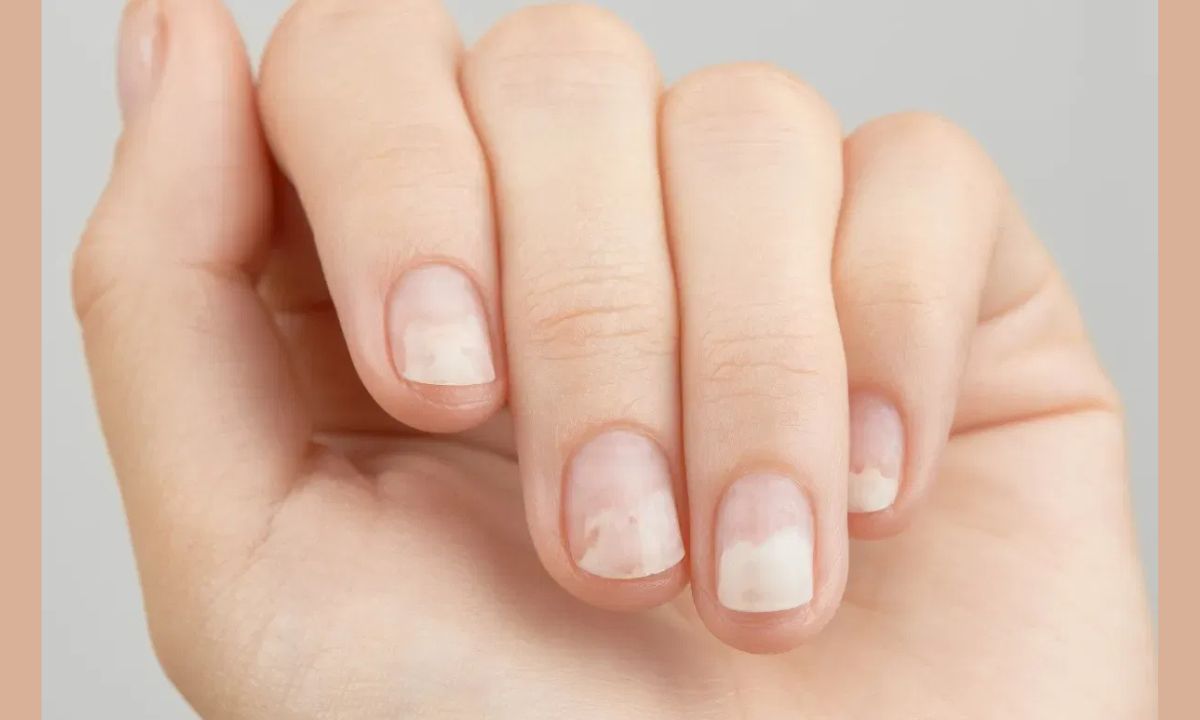
If you’ve noticed your toenails turning a brownish, crumbly shade that reminds you of baked gingerbread, you’re not alone. Many people refer to this as gingerbread nails disease. While the name sounds almost festive, it points to a common but persistent fungal infection that can affect both your comfort and confidence.
This condition, medically known as onychomycosis, thrives in warm, moist environments and often starts subtly before becoming more noticeable. The good news is that with the right knowledge and care, you can address it effectively and prevent it from coming back. Let’s explore what it really means, why it happens, and how to support healthier nails.
What Exactly Is Gingerbread Nails Disease?
Gingerbread nails disease describes a fungal nail infection where the nails develop a distinctive golden-brown or ginger-like discoloration along with a rough, crumbly texture. The term has gained popularity on social media, especially in videos showing advanced cases, but it refers to the same underlying issue dermatologists treat every day.
The infection usually begins under the tip or sides of the nail, often on the toes. As it progresses, the nail can thicken, lift away from the nail bed, and develop an uneven surface that looks powdery or brittle. While it rarely causes serious health problems, it can lead to discomfort when wearing shoes or walking, and many people feel self-conscious about the appearance.
Fingernails can be affected too, though toenails are far more common because feet spend more time in socks and shoes.
Common Signs and Symptoms to Watch For
Recognizing gingerbread nails disease early can make treatment easier. Here are the key changes you might see:
- Discoloration: Nails shift from clear or pink to yellow, light brown, or deep ginger tones. Some develop white streaks or spots that spread.
- Thickening: The nail plate grows thicker and harder to trim, sometimes making shoes feel tight.
- Brittle or crumbly texture: Edges may flake or break easily, giving that “gingerbread” crumbly look.
- Nail separation: The nail lifts from the bed underneath, creating space where debris collects.
- Mild odor: A faint, unpleasant smell can develop in more advanced cases.
- Soreness or redness: The skin around the nail might feel tender, especially if pressure is applied.
These symptoms often develop slowly over weeks or months. If you spot them, it is wise to take action before the infection spreads to other nails.
What Causes Gingerbread Nails Disease?
Several types of fungi can trigger this condition, but dermatophytes are the most common culprits. These microscopic organisms love keratin, the protein that makes up your nails, hair, and skin.
Risk factors that increase your chances include:
- Walking barefoot in damp public areas like pools, gyms, or locker rooms.
- Wearing tight shoes or non-breathable socks that trap moisture.
- Having sweaty feet or poor circulation.
- Previous nail injuries or damaged cuticles.
- Conditions such as diabetes, weakened immune systems, or psoriasis.
- Getting older, since nails grow more slowly and become more vulnerable.
The fungus spreads easily in warm, humid conditions, which explains why toes are prime targets inside closed shoes.
How Doctors Diagnose It
A healthcare professional can usually identify gingerbread nails disease with a quick visual exam. To confirm the fungus and rule out other issues like psoriasis or bacterial infections, they might take a small nail clipping for lab testing. This step ensures you receive the most appropriate treatment.
Treatment Options That Can Help
Treating gingerbread nails disease takes patience because nails grow slowly. Results can take months, but consistency pays off.
Topical treatments: Antifungal nail lacquers or solutions applied directly to the nail. These work best for mild cases or when combined with other methods.
Oral medications: Prescription pills like terbinafine or itraconazole attack the fungus from inside the body. They are often more effective for moderate to severe infections, though your doctor will monitor for side effects.
Laser therapy: Some clinics use laser treatments to target the fungus without medication. This option is growing in popularity, though more research continues on long-term success rates.
Home care and remedies: While not cures on their own, keeping nails trimmed short, applying tea tree oil or Vicks VapoRub (under guidance), and maintaining dry feet can support recovery. Always check with a professional first.
In stubborn cases, a doctor might recommend removing the infected nail to allow new, healthy growth.
Prevention Tips for Healthier Nails
Once you clear the infection, focus on stopping it from returning. Simple daily habits make a big difference:
- Dry your feet thoroughly after showering, especially between the toes.
- Wear moisture-wicking socks and rotate shoes so they can air out.
- Choose breathable footwear and avoid going barefoot in shared spaces.
- Trim nails straight across and keep them short but not too short.
- Disinfect nail tools after each use and never share them.
- Treat athlete’s foot promptly since it can spread to nails.
People with diabetes or circulation issues should pay extra attention and see a podiatrist regularly.
Living With and Beyond Gingerbread Nails Disease
Dealing with nail changes can feel frustrating, especially if they affect how you feel about your feet in sandals or at the beach. Remember that this is a treatable condition, and many people regain clear, strong nails with the right approach.
Focus on gentle self-care while treatment works. Consider clear or neutral nail polish if you want to cover discoloration temporarily, but avoid acrylic nails or gels until the infection is fully resolved, as they can trap moisture.
Conclusion
Gingerbread nails disease might start as a minor cosmetic concern, but addressing it early protects your comfort and prevents spread. By understanding the causes, recognizing symptoms, and following proven treatments alongside good foot hygiene, you can look forward to healthier nails. If you suspect an infection, reach out to a healthcare provider who can guide you toward the best plan for your situation.
This article is for informational purposes only and is not medical advice. Consult a qualified healthcare professional before making any health decisions.
FAQ
What does gingerbread nails disease look like? It typically shows as thickened, brownish or golden nails with a rough, crumbly texture similar to gingerbread. The nail may lift or separate from the skin underneath.
Is gingerbread nails disease contagious? Yes, the fungus can spread through direct contact or shared surfaces like shower floors, towels, or nail clippers. Good hygiene helps limit transmission.
Can gingerbread nails disease affect fingernails? It is possible but less common. Toenails are more frequently involved because of the moist environment inside shoes.
How long does it take to treat gingerbread nails disease? Treatment often requires three to six months or longer because nails grow slowly. Full results depend on severity and consistency with care.
Are home remedies effective for gingerbread nails disease? Some people find relief with natural options like tea tree oil, but they work best as support alongside medical treatments. Severe cases usually need prescription care.
What happens if gingerbread nails disease is left untreated? The infection can spread to other nails, cause more pain or difficulty walking, and become harder to clear over time.
Can diet help prevent or treat gingerbread nails disease? A balanced diet supports immune health and nail strength, but it does not replace proper antifungal treatment. Focus on overall wellness while following medical advice.
Is gingerbread nails disease the same as athlete’s foot? They are related but different. Athlete’s foot affects the skin, while gingerbread nails disease targets the nail itself. One can sometimes lead to the other.
When should I see a doctor for suspected gingerbread nails disease? See a professional if you notice persistent discoloration, thickening, or pain. Early evaluation leads to simpler treatment.
Can children get gingerbread nails disease? It is less common in children but possible, especially with frequent exposure to damp areas or family members who have it. Pediatricians or dermatologists can advise on safe options.