
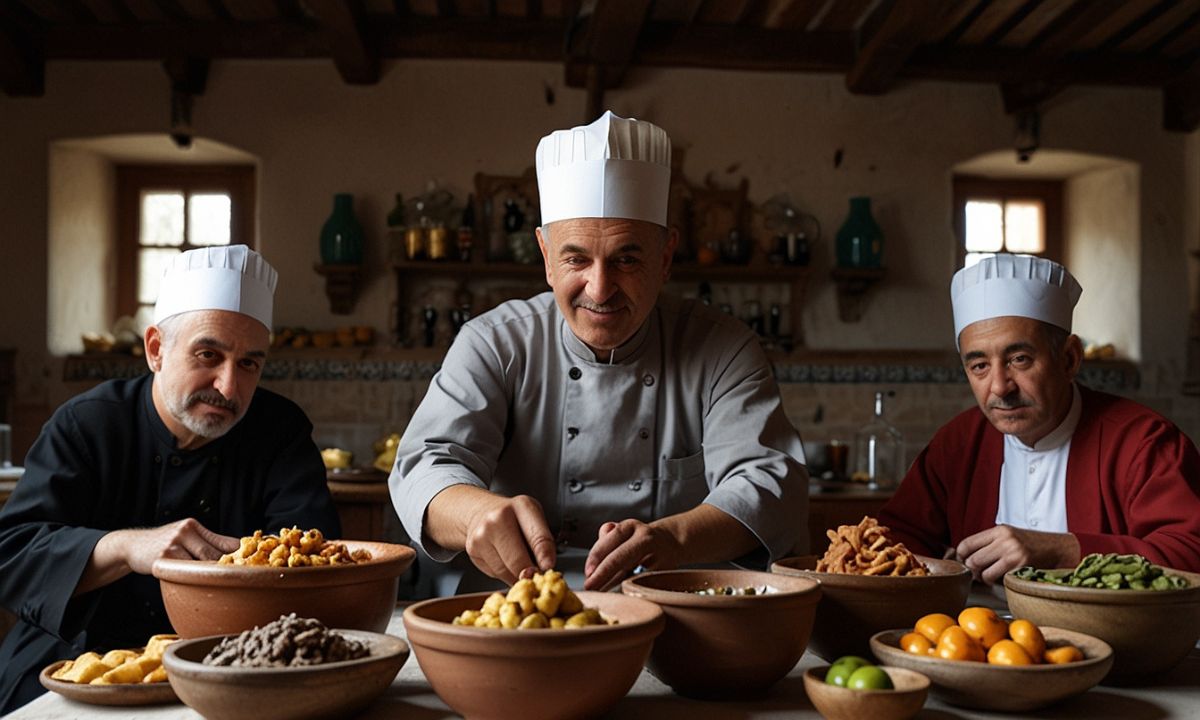
Çbiri has captured the imagination of people searching for unique traditions that connect play, food, and community. Whether you stumbled upon it while exploring board games or traditional recipes, this fascinating concept offers more than entertainment or a meal. It brings people together in ways that feel both timeless and refreshingly modern.
From family gatherings in cozy homes to friendly competitions at local events, çbiri represents a rich tapestry of history and everyday joy. In this guide, we will explore its origins, how the game works, delicious recipe ideas, cultural importance, and tips for enjoying it today. By the end, you will see why çbiri continues to grow in popularity across different regions and online communities.
What Is Çbiri Exactly?
At its heart, çbiri is a multifaceted tradition. Many describe it as a strategic board game played between two people on a square board. Others know it as a hearty, slow-cooked dish featuring spiced meats and simple sides. Some view it as a broader cultural practice that emphasizes unity, clever thinking, and shared meals.
This blend makes çbiri special. It is not just one thing but a complete experience. Families might play the game after enjoying the meal, turning an ordinary evening into something memorable. The word itself carries a sense of curiosity, often sparking conversations about where it comes from and how it fits into modern life.
People from various backgrounds appreciate çbiri because it adapts easily. You do not need expensive equipment or rare ingredients to enjoy it. All you need is curiosity, a few friends or family members, and a willingness to learn.
The History and Origins of Çbiri
Stories about çbiri trace back through generations, often linked to regions where community and resourcefulness mattered most. Elders passed down tales of ancestors using strategy games to settle disputes peacefully instead of conflict. The food side likely emerged from practical cooking methods that turned simple ingredients into satisfying meals during long winters or celebrations.
While exact records can vary by region, the core idea stays consistent: çbiri promotes balance between mental sharpness and physical nourishment. Some accounts connect it to ancient trade routes where travelers shared games and recipes, creating bonds across cultures.
Today, historians and enthusiasts continue studying these roots. The tradition feels alive because it evolves. Modern players add their own twists to the rules, and home cooks experiment with local spices in the dish. This flexibility helps çbiri stay relevant in a fast-paced world.
How to Play Çbiri: A Beginner’s Guide
The game version of çbiri stands out for its mix of strategy and accessibility. Think of it as a blend of chess and checkers with unique regional flavors. Two players sit across a square board, usually marked with lines or simple patterns.
Basic Rules and Setup
- The board has positions for each player’s pieces, often 12 to 16 per side depending on the variant.
- Players take turns moving pieces forward, sideways, or in strategic jumps.
- The goal is to capture all opponent pieces or block them completely so they cannot move.
- Special rules may allow “promotion” when a piece reaches the opposite side, giving it extra power.
New players often start with shorter games to learn the flow. Experienced ones enjoy longer matches that test patience and foresight. No fancy equipment is required. You can draw the board on paper or use coins as pieces when traveling.
Tips for Winning
Focus on controlling the center early. Protect your key pieces while creating threats that force your opponent to react. Watch for patterns. Good players anticipate moves three or four turns ahead.
Many communities organize local tournaments. These events mix competition with friendly chats and, of course, plenty of food. Joining one can be a great way to meet like-minded people who love strategy games.
The Traditional Çbiri Dish: Recipes and Cooking Tips
Parallel to the game, çbiri also names a comforting slow-cooked meal. It typically features tender lamb or beef simmered with warming spices. The result is a rich stew served alongside rice, flatbread, or roasted vegetables.
Simple Home Recipe
Start with good quality meat cut into chunks. Brown it lightly in a pot with onions and garlic. Add spices such as cumin, paprika, and a touch of chili for heat. Pour in broth or water and let it simmer gently for two to three hours until the meat falls apart easily.
Near the end, stir in fresh herbs or a squeeze of lemon to brighten the flavors. Serve hot with warm bread for dipping. Families often prepare this dish for special occasions because the long cooking time encourages conversation in the kitchen.
Variations by Region
- Some areas add root vegetables like carrots or potatoes for extra heartiness.
- Coastal versions might include a seafood twist with fish or shrimp.
- Vegetarian adaptations use hearty beans or mushrooms instead of meat.
The beauty lies in its simplicity. You can adjust ingredients based on what you have available. The slow cooking method fills the home with inviting aromas that make everyone feel welcome.
Cultural Significance and Modern Appeal
Çbiri goes beyond entertainment and eating. It symbolizes unity. Playing the game teaches respect for opponents and graceful winning or losing. Sharing the meal reinforces bonds and gratitude for simple pleasures.
In today’s busy lives, many people turn to çbiri for balance. Families use game nights to unplug from screens. Friends host potlucks centered around the dish to catch up. Online communities share strategies, recipe tweaks, and personal stories.
Younger generations particularly enjoy its adaptable nature. They create digital versions of the board game or fusion recipes that mix traditional spices with global flavors. This keeps the tradition fresh while honoring its roots.
Benefits of Incorporating Çbiri Into Your Life
Adding çbiri elements brings several advantages:
- Mental sharpness: The strategy game improves focus, planning, and problem-solving skills.
- Social connection: It encourages face-to-face interaction in an increasingly digital world.
- Culinary exploration: Cooking the dish introduces new flavors and techniques.
- Stress relief: Slow games and meals provide calm breaks from daily pressures.
- Cultural appreciation: Learning about its background broadens your worldview.
Parents often note that children who play çbiri develop better patience and sportsmanship. Home cooks appreciate how the recipe stretches affordable ingredients into multiple servings.
Getting Started With Çbiri Today
Ready to try it? Begin small. Draw a simple board and play a quick game with a partner. Then prepare a basic version of the dish for dinner. Invite others to join and watch how conversations flow naturally.
You can find printable boards online or buy affordable sets from specialty shops. For the meal, most ingredients are easy to source at local markets. Do not worry about perfection. The spirit of çbiri celebrates effort and togetherness more than flawless execution.
Communities worldwide now celebrate çbiri festivals with tournaments, cooking demonstrations, and storytelling sessions. Check for events near you or start your own small gathering.
Conclusion
Çbiri stands as a wonderful reminder that some of the best things in life combine simple elements into something meaningful. Whether you love strategic games, hearty meals, or bringing people together, this tradition has something special to offer. It bridges generations, cultures, and interests in an authentic way.
Why not give çbiri a try this week? Gather your family or friends, set up the board, and simmer a pot of the delicious dish. You might discover a new favorite pastime that enriches your home and connections. Share your experiences online using the hashtag and help keep this vibrant tradition growing.
FAQ
What does çbiri mean? Çbiri refers to both a strategic board game and a traditional slow-cooked dish. It symbolizes cultural unity, clever play, and shared meals.
Is çbiri difficult to learn? Not at all. Beginners can pick up the basic rules in one or two games. The dish version uses straightforward cooking methods that improve with practice.
What equipment do I need for the çbiri game? A square board and simple pieces like stones or coins work perfectly. Many people create their own set at home.
Can I make a vegetarian çbiri meal? Yes. Replace meat with beans, lentils, or mushrooms and adjust spices to your taste. The result remains flavorful and satisfying.
Where did çbiri originate? It has roots in ancient community traditions focused on strategy and resourceful cooking, though exact locations vary by shared stories.
How long does it take to cook çbiri food? Plan for two to three hours of gentle simmering for the best tender texture and developed flavors.
Is çbiri suitable for kids? Absolutely. Simplified game rules work well for children, and they often enjoy helping prepare the meal.
Can I play çbiri online? Yes, digital versions and apps exist. However, many enthusiasts prefer the in-person experience for its social benefits.
What spices are essential for çbiri dish? Cumin, garlic, onions, and paprika form a solid base. Feel free to add personal favorites like coriander or mild chili.
How popular is çbiri becoming? Interest continues to rise through online sharing, local events, and people seeking meaningful offline activities.