
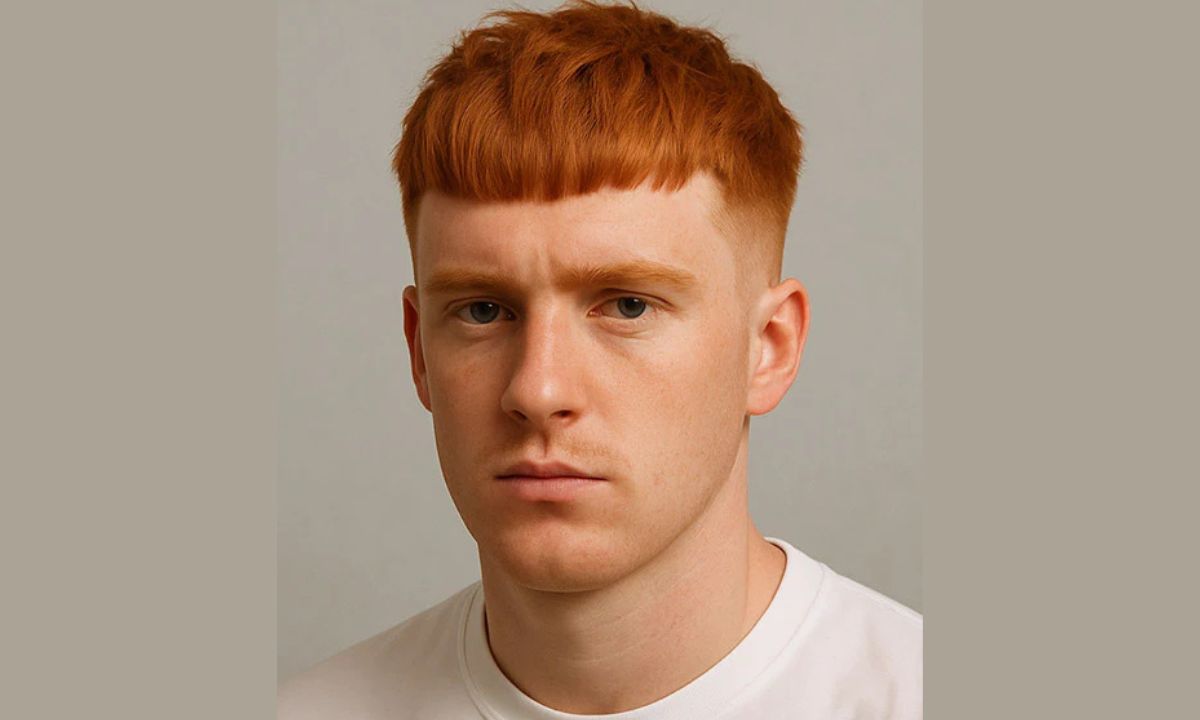
You have seen it dominating Instagram feeds, ruling the football terraces, and defining the sharp aesthetic of Liverpool’s most stylish men. It is more than just a haircut; it is a statement of confidence, a nod to a rich cultural identity, and arguably the most sought-after men’s hairstyle in the UK right now. If you are tired of the same old boring cut and crave something that blends streetwise edge with undeniable sophistication, you are ready for the scouse trim.
This iconic look is the secret weapon of the modern urban gentleman. It is a style that demands attention, celebrates hair texture, and perfectly encapsulates Liverpool street style. In this guide, we will break down everything you need to know: from its gritty origins to the technical precision required to nail the perfect skin fade, and exactly how to maintain that enviable volume on top. Whether you have straight locks or are looking for a scouse trim with curly hair, consider this your ultimate playbook.
What Exactly is a Scouse Trim? More Than Just a Haircut
The scouse trim is not merely a fleeting trend; it is a cultural institution. Originating from the barbershops of Liverpool, this haircut has evolved into a hallmark of barbershop culture across the UK and beyond. At its core, it is a high-contrast style that combines a tightly blended skin fade or high taper on the back and sides with a significant amount of textured length left on top.
What sets the scouse trim apart from a standard skin fade is the intentionality behind the top. This is not just about leaving hair longer; it is about volume styling. The goal is to create a disconnected look where the short, sharp sides meet a crown of dense, often curly or heavily textured hair. This creates a “helmet-like” silhouette that frames the face and adds structure.
The “Kewig” Connection
You may hear the term ketwig thrown around in the same conversation. While sometimes used interchangeably, purists distinguish the scouse trim as the polished, barber-crafted version, whereas the “ketwig” historically refers to a less refined, DIY attempt at the style. In modern grooming, the scouse trim is the elevated, professional execution that avoids the messiness associated with the old-school ketwig label.
The History and Cultural Significance of the Liverpool Scouse Trim
To understand the history of the Liverpool scouse trim, you have to look at the city that birthed it. Liverpool has always been a hub of working-class pride, musical innovation, and fierce individuality. The haircut emerged from the streets and the football culture, where looking sharp was a form of self-respect.
In the 2000s and 2010s, as urban fashion trends began to dominate UK style, the scouse trim became the uniform of the “dressed up” lad. It was a rejection of the messy, grungy aesthetic in favor of something clean, crisp, and commanding. Today, it is worn by Premier League footballers, musicians, and style icons who appreciate its versatility. It represents a blend of toughness and meticulous grooming, a duality that resonates with Gen Z and Millennials who value authenticity as much as aesthetics.
Breaking Down the Technical Aspects: Skin Fade vs. High Taper
When you sit in the barber’s chair, you need to know exactly what to ask for. The technical execution is what separates a good haircut from a great scouse trim. You need to understand the components of the fade.
The Skin Fade
The classic scouse trim typically relies on a skin fade. This means the hair is faded down to the bare skin at the very bottom of the hairline, usually around the ears and the nape of the neck. The barber uses clippers to graduate the length from a “0” (skin) up to a longer length as they move toward the crown.
The High Taper
Alternatively, some prefer a high taper. A high taper keeps a little more weight on the sides than a full skin fade. It starts shorter at the sideburns and blends up quickly, but it does not necessarily go down to the skin. This is a slightly softer option but maintains the sharp, structured look essential to the style.
Technical Tip:
If you want maximum contrast, ask for a “high skin fade with a disconnected top.” This ensures the barber knows you want the sides super short and the top kept long without blending the two lengths together.
Scouse Trim with Curly Hair: Embracing the Texture
One of the most common questions is whether this style works for curly hair. The answer is a resounding yes. In fact, a scouse trim with curly hair often yields the most dramatic and sought-after results.
Hair texture is crucial here. If you have naturally curly or wavy hair, the volume styling on top becomes effortless. The curls add density and shape, creating that perfect rounded silhouette that defines the look.
How it works:
Barbers will typically cut the top while the hair is dry to see how the curls naturally fall. They use techniques like curly perm enhancements or simply cut with the curl pattern to avoid creating a “mushroom” shape. If your hair is naturally straight but you crave that volume, many barbers incorporate a curly perm to add the necessary texture and lift. This combination of a tight skin fade with a curly, voluminous top is the modern evolution of the style.
How to Style a Scouse Trim: The Product Playbook
You have the cut. Now, how do you maintain that fresh-out-the-shop look every morning? Knowing how to style a scouse trim is essential. Without the right technique, that volume can collapse into flatness.
Here is a step-by-step guide to volume styling.
Step 1: Start with Damp, Towel-Dried Hair
After washing, gently towel dry your hair until it is damp but not soaking wet. This is the optimal state for product absorption.
Step 2: Apply a Volumizing Mousse or Sea Salt Spray
If you have fine or straight hair, use a sea salt spray to create grip and texture. For curly or thick hair, a lightweight volumizing mousse works best. Apply it evenly from roots to ends.
Step 3: The Blow-Dry Technique
This is the non-negotiable step. You must blow-dry your hair to achieve the height associated with the scouse trim.
- Flip your head upside down and dry the roots first to lift them away from the scalp.
- Use a round brush or your fingers to pull the hair upward and back while directing the airflow from the root.
- Aim for a “quiff” or a swept-back direction, depending on your preference.
Step 4: Choose Your Styling Product
This is where you lock the style in. The best products for a textured scouse trim are those that offer a strong hold with a matte or natural finish.
- Matte Clay: Perfect for a natural, textured look with high hold.
- Pomade (Water-Based): If you prefer a slicker, more polished look, a water-based pomade offers shine and reworkability.
- Hairspray: A final blast of strong hold hairspray ensures that volume stays in place, even under a cap or in windy conditions.
Step 5: Avoid Over-Washing
To maintain the natural oils that help with texture and volume, try not to wash your hair every day. Use dry shampoo on off days to absorb excess oil and refresh the style.
Maintenance Tips for a Scouse Trim: Staying Sharp
A great scouse trim is high-maintenance. Because the skin fade relies on such short lengths, any regrowth will blur the sharp lines quickly. To keep the look crisp, you need a solid routine.
The 2-Week Rule
For the fade to look fresh, you should ideally visit your barber every 2 to 3 weeks. If you try to stretch it to a month, you lose the contrast that defines the style.
Neck and Sideburn Cleanup
If you cannot make it to the barber, invest in a good quality trimmer for line-ups. Cleaning up the neckline and the edges of the sideburns can buy you an extra few days of freshness.
Hair Health
Because the top is styled with heat and product frequently, invest in a good shampoo and conditioner. Look for sulfate-free options to prevent stripping color (if you have it) and to maintain the integrity of your hair texture. A deep conditioning mask once a week will keep the curls or waves looking healthy rather than brittle.
Barbershop Culture: Finding the Right Artist
You cannot trust a scouse trim to just anyone. The rise of barbershop culture has elevated haircuts to an art form. Finding a barber who specializes in fades and texturized cutting is crucial.
What to look for:
- Portfolios: Check their Instagram or social media. Look for consistent skin fades and work with textured hair similar to yours.
- Consultation: A good barber will ask about your lifestyle. Do you want to spend 10 minutes styling it every morning, or do you prefer a “wash and go” version?
- The Atmosphere: Barbershop culture is about the experience. Find a shop that feels welcoming, where the barbers take pride in their craft.
Urban Fashion Trends: The Scouse Trim as a Lifestyle
The scouse trim does not exist in a vacuum. It is deeply intertwined with urban fashion trends. This haircut is the perfect complement to a specific aesthetic: slim-fit clothing, high-end streetwear brands, and a polished casual look.
Think of it as the crown of your outfit. Whether you are rocking a technical tracksuit, a crisp Oxford shirt, or a luxury puffer jacket, the sharpness of the scouse trim elevates your entire appearance. It signals that you pay attention to details. It is a visual handshake that says, “I have my style locked down.”
For Gen Z and Millennials, this haircut represents a fusion of heritage and modernity. It nods to the “lad” culture of the past but cleans it up for the present, making it suitable for the office, the gym, or a night out. It is versatile, confident, and unapologetically bold.
Common Mistakes to Avoid
Even with the best intentions, things can go wrong. Here is how to avoid a haircut disaster.
Mistake 1: Going Too Short on Top
If the barber cuts the top too short, you lose the ability to create volume. The magic of the scouse trim is the contrast. Ensure you communicate that you want to keep length for styling.
Mistake 2: Ignoring Your Face Shape
While the scouse trim is versatile, the height on top can elongate a round face beautifully, but if you have a very long face, going too high on the top can make it appear longer. Discuss face shape with your barber to adjust the height and fade placement accordingly.
Mistake 3: Using the Wrong Products
Using a heavy, greasy pomade will weigh the hair down. Stick to lightweight, matte products that enhance volume styling rather than flatten it.
The Best Products for a Textured Scouse Trim
To maintain that runway-ready look, your bathroom cabinet needs a few essentials. Here are the categories of best products for a textured scouse trim.
- Pre-Styler: A volumizing tonic or sea salt spray. This adds the foundation for grip and lift before blow-drying.
- Blow-Dryer: Invest in a good quality blow-dryer with a nozzle attachment. The concentration of heat is necessary for directing the hair where you want it to go.
- Matte Clay/Paste: Look for ingredients like Kaolin clay or beeswax. These provide a flexible yet strong hold without the shine.
- Finishing Spray: A high-hold, low-shine hairspray to lock in the shape without making the hair look crunchy.
Conclusion: Ready to Own the Look
The scouse trim is more than a fleeting TikTok trend. It is a celebration of barbershop culture, a nod to the gritty elegance of Liverpool street style, and a testament to the power of a confident haircut. Whether you are embracing your natural curls or looking to add texture through styling, this cut offers a versatility that few others can match.
Now that you understand the history of the Liverpool scouse trim, the technical precision of the skin fade, and the secrets to volume styling, the next step is simple. It is time to book that barber appointment. Find a local specialist who respects the craft, show them this guide if you have to, and walk out with a haircut that commands respect. Stop settling for average. Step into the chair and embrace the swagger.
READ ALSO: The Ultimate Guide to Next Kids Clothing: Trendy, Timeless, and Totally Wearable
 Americas Kids