
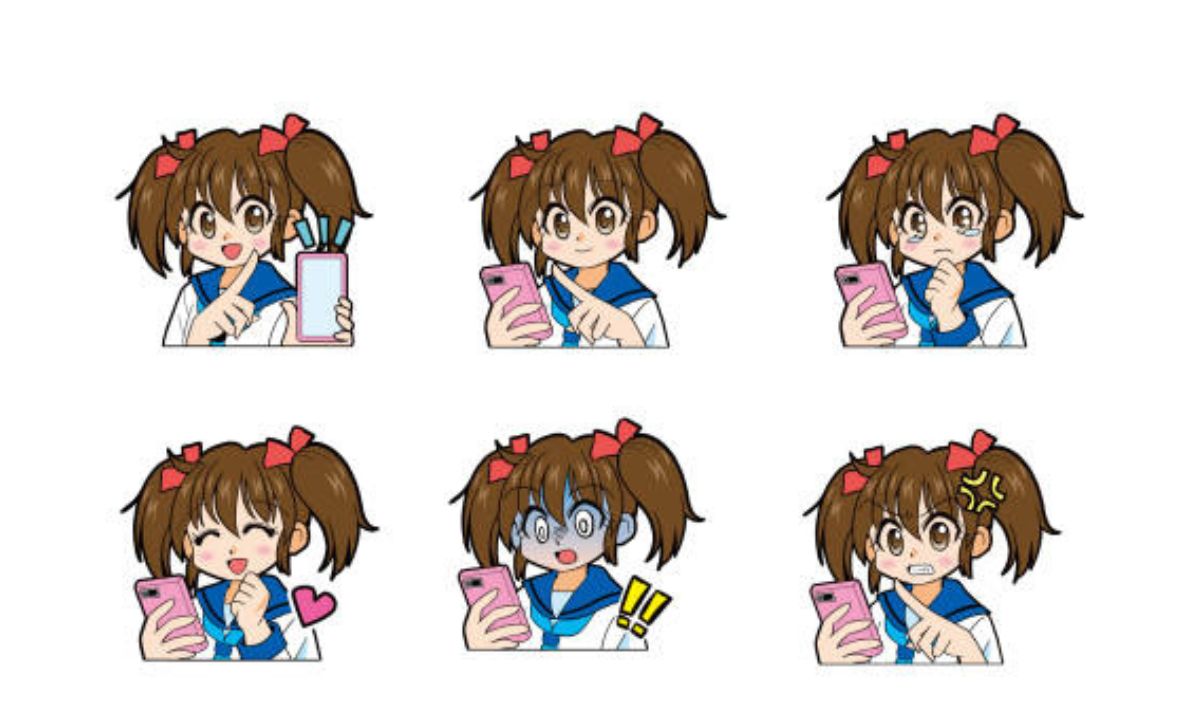
If you’ve spent any time in anime or manga communities, you’ve probably come across the term doujen moe. It captures that special blend of homemade creativity and heart-melting character affection that makes so many fan works feel personal and irresistible. Whether you’re a longtime otaku or just dipping your toes into Japanese pop culture, understanding doujen moe opens up a whole world of indie expression beyond big studio productions.
In simple terms, doujen moe combines two beloved concepts from Japan. Doujen (or doujin) refers to self-published works like manga, novels, art books, and games made by fans or small circles outside traditional publishing. Moe describes that warm, fuzzy feeling of adoration for cute, innocent, or endearing fictional characters. Put them together, and you get doujen moe: fan-made stories and art that lean heavily into emotional, adorable vibes.
This guide explores everything from its roots to how it thrives today. You’ll see why it resonates with so many people and how you can get involved.
What Exactly Is Doujen Moe?
Doujen moe sits at the intersection of creativity and emotion. Creators pour their love for favorite series into original or parody works that prioritize “moe” traits. Think big sparkling eyes, clumsy but lovable personalities, heartfelt friendships, or gentle romance that tugs at your heartstrings.
Unlike mainstream manga, which often follows strict editorial guidelines, doujen moe projects feel freer. Artists experiment with character designs that scream approachability and charm. A typical doujen moe story might follow a shy high school girl discovering her strengths through everyday adventures, or a group of friends sharing quiet, meaningful moments.
The “moe” element isn’t just about looks. It is the emotional response it creates in readers: that protective affection or pure joy when a character blushes, stutters, or shows unexpected kindness. Many fans say doujen moe works feel like a warm hug compared to high-stakes action series.
The Origins and History of Doujen Moe
Doujin culture has deep roots in Japan, dating back to the early 20th century with self-published literary circles. It exploded in the postwar era, especially with Comiket (the massive Comic Market event) in the 1970s. Fans began creating parodies of popular anime and manga, sharing them in small print runs.
Moe as a concept emerged in the 1990s and 2000s. Otaku communities used it to describe characters that evoked strong feelings of love and protectiveness. Series like “Neon Genesis Evangelion” and later “K-On!” or “Lucky Star” helped popularize the aesthetic.
Doujen moe as a combined idea gained traction online in the 2010s. Digital tools made it easier for anyone with a tablet and passion to create and share. Platforms allowed global fans to access and discuss these works, turning a niche Japanese scene into an international movement.
Today, doujen moe reflects a reaction to polished corporate content. Fans crave authenticity and emotional depth that big publishers sometimes overlook.
Why Doujen Moe Resonates So Strongly
Several factors make doujen moe special:
- Creative Freedom: No corporate bosses mean creators explore sensitive topics, unique pairings, or slow-burn stories.
- Emotional Connection: Moe-focused works excel at building attachment. Readers often say characters feel like friends.
- Community Spirit: Doujin events and online forums foster collaboration. Many creators start as fans and grow into respected artists.
- Accessibility: Short stories or one-shots fit busy lives better than 20-volume epics.
- Nostalgia and Comfort: In stressful times, doujen moe offers gentle escapism with cute characters and positive vibes.
It also empowers underrepresented voices. Female creators have long thrived in doujin spaces, producing yuri or romance-focused moe stories that mainstream media might sideline.
Popular Examples and Subgenres of Doujen Moe
You can find doujen moe across many fandoms. Classic series like “Touhou Project” have massive doujin scenes full of adorable character interactions. “Love Live!” and “Idolmaster” inspire works celebrating friendship and performance dreams.
Subgenres include:
- Slice-of-Life Moe: Everyday adventures with heavy emphasis on character quirks and bonding.
- Romantic Moe: Sweet, innocent love stories focusing on fluttering hearts and shy confessions.
- Fantasy Moe: Magical girls or fantasy settings but with cozy, character-driven plots.
- Parody Moe: Humorous takes on popular franchises that highlight cute traits.
Many works blend art and short stories in beautiful booklets sold at conventions or shared digitally.
How to Get Started with Doujen Moe
Diving in is easier than ever. Here are practical tips:
- Visit sites like Pixiv or Twitter (now X) and search for doujin artists in your favorite fandoms.
- Check digital platforms that host fan translations (always respect copyright and support creators when possible).
- Attend or watch streams of events like Comiket for the full experience.
- Try creating your own: Start with simple sketches or fanfiction emphasizing moe elements.
If you’re a reader, look for recommendations in Reddit communities or Discord servers dedicated to indie anime art. Many creators offer free samples to build their audience.
The Digital Evolution of Doujen Moe
The internet transformed doujen moe. What once required expensive printing now happens with free tools like Clip Studio Paint. Social media lets artists reach thousands instantly.
Platforms specializing in doujin content have grown, offering legal and fan-supported ways to enjoy works. However, this growth brings challenges around copyright and content moderation.
Globalization means non-Japanese creators contribute their own doujen moe styles, mixing cultural influences for fresh takes. English-language doujin circles now thrive alongside traditional Japanese ones.
Challenges and the Future of Doujen Moe
Like any passionate hobby, doujen moe faces hurdles. Copyright issues can lead to takedowns, and the rise of AI art sparks debates about authenticity. Economic pressures make it hard for some creators to continue.
Yet the future looks bright. Growing interest in indie media and mental health-friendly content plays perfectly to moe’s strengths. Virtual conventions and NFT-like fan support models could help artists sustain their work.
As anime goes mainstream, doujen moe preserves that grassroots heart that made the culture special in the first place.
Getting Involved in the Doujen Moe Community
Start small. Follow artists whose style you love. Leave kind comments. Share your favorite finds responsibly. If you create, join beginner-friendly challenges or collabs.
Many find lifelong friends through shared doujen moe interests. The community values passion over perfection, making it welcoming for newcomers.
Conclusion
Doujen moe represents the best of fan culture: creativity, emotional honesty, and celebration of what makes characters lovable. It reminds us why we fell in love with anime and manga in the first place. Whether you enjoy reading, drawing, or simply discussing these works, there’s a place for you in this vibrant scene.
Ready to explore? Pick a fandom you adore, search for doujen moe creations, and see where it takes you. Your next favorite character might be waiting in a fan-made story. Share your thoughts in the comments: What’s your favorite moe moment or doujin find?
FAQ
What does doujen moe mean? Doujen moe refers to fan-created self-published works (doujin) that heavily feature moe aesthetics: cute, endearing characters designed to evoke strong feelings of affection and warmth.
Is doujen moe the same as regular doujinshi? Not exactly. While all doujen moe is doujin, it specifically emphasizes emotional, adorable character traits and heartwarming stories rather than action or darker themes.
Are doujen moe works legal? Most are unofficial fan works, so they exist in a gray area regarding copyright. Many creators encourage fair use sharing, but always support official releases when available.
Where can I find doujen moe content? Popular places include Pixiv, specialized doujin sites, convention booths, and fan translation communities. Search by your favorite series plus “doujin” or “moe.”
Do I need to know Japanese to enjoy doujen moe? Not necessarily. Many works have English fan translations, and the visual art often speaks for itself. Learning basic terms helps, but it’s not required.
Why do people love moe characters so much? Moe characters trigger protective instincts and pure joy. Their innocence and charm provide comfort and emotional satisfaction in a busy world.
Can anyone create doujen moe? Absolutely. All you need is passion and basic tools. Many successful creators started with simple sketches or short stories shared online.
How is doujen moe different from mainstream anime? It offers more personal, experimental stories with deeper focus on character emotions and relationships, free from commercial constraints.
What are some beginner-friendly doujen moe series? Try works based on “K-On!”, “Azumanga Daioh”, or original moe-style stories on platforms like Webtoon or fan sites.
Is doujen moe only about romance? No. While romance is common, many focus on friendship, personal growth, comedy, or cozy daily life.